


Several reports of a poisonous small fish that buries itself in the sands of shallow seawater and can sting people who accidentally stand on it whilst paddling or walking into the sea have been confirmed over the weekend.
Weever Fish are found all around the coast of the United Kingdom during the summer, especially in areas with warm shallow water and a sandy beach.
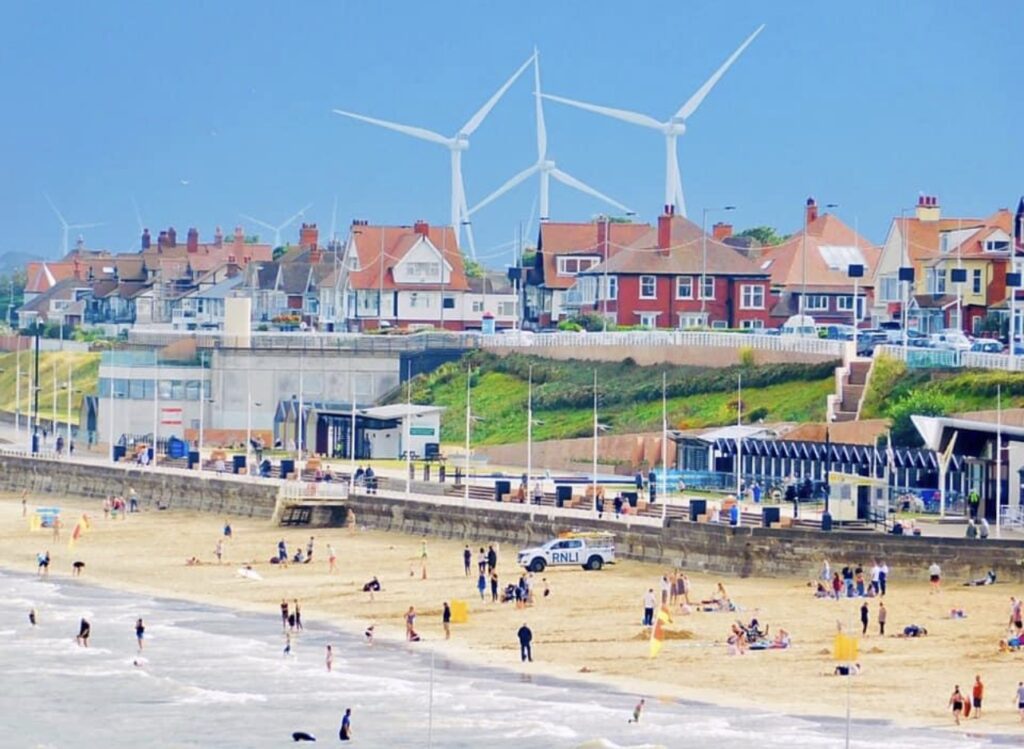
Bridlington is one of several areas on the East Coast where the fish are prevalent.

Coastal Services, which is part of East Riding of Yorkshire Council Foreshores Department have put out a timely reminder to locals and visitors to be cautious when heading into the sea.
The fish, which grows to around 14cm in length, buries itself in the sand leaving only its head and black dorsal fin visible.
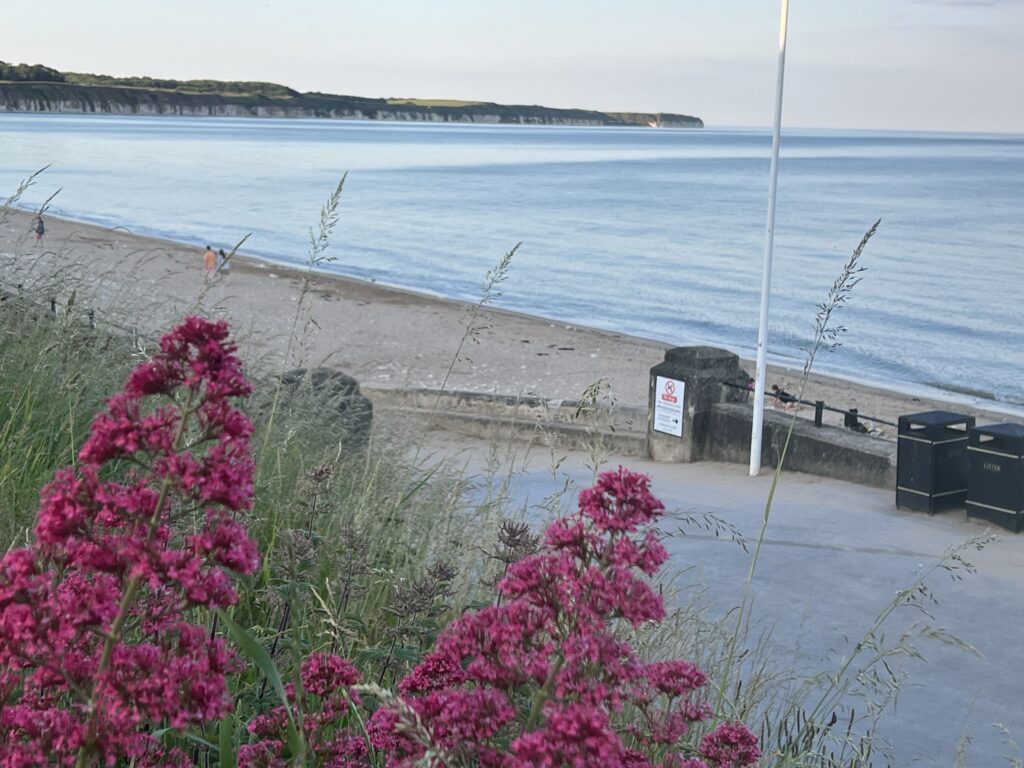
Bathers are urged to wear water shoes, which will protect against stings and other sharp objects which are below the water.
The sting from the dorsal fin is said to feel like a ‘sharp stab’ and is initially extremely painful but will not leave any permanent damage.
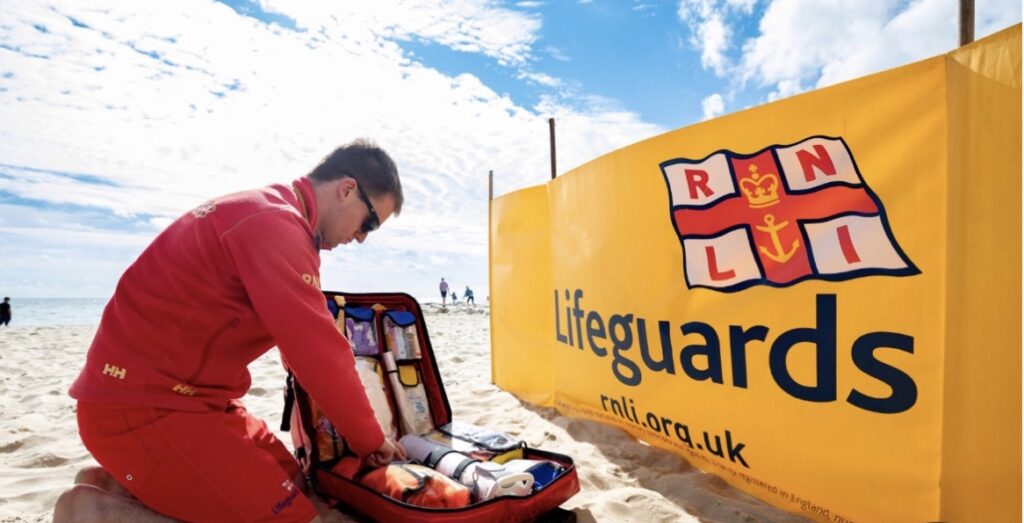
Bridlington, Hornsea and Withernsea have First Aid posts (April to September) manned by the RNLI Lifeguards.
What are Weever Fish?
The Lesser Weever fish is commonly found in the North Sea and buries itself in the sand where it waits for prey. They have venomous spikes in their dorsal fins and gills.

Stings to humans are most common in the hours before and after low tide whilst paddling in shallow water.
Initially a sting may feel like a scratch of a sharp stone, however significant pain begins 2-3 minutes later.
Common and minor symptoms include; severe pain, itching, heat, redness, numbness, tingling, nausea, vomiting, joint aches, headaches, abdominal cramps and tremors.
If you do get stung, the NHS recommend the following advice:
DO:
- rinse the affected area with seawater (not fresh water)
- remove any spines from the skin using tweezers or the edge of a bank card
- soak the area in very warm water (as hot as can be tolerated) for at least 30 minutes – use hot flannels or towels if you cannot soak it
- take painkillers like paracetamol or ibuprofen
If the pain doesn’t subside or if you suffer with symptoms listed below, go to A&E or phone 999
- Chest pain
- Difficulty breathing
- Vomiting
