Bridlington Echo
  • Home
  • News
  • Family Announcements
  • Features
  • Public Notices
  • Sport
  • Announcements
  • Business Directory
No Result
View All Result
  • Home
  • News
  • Family Announcements
  • Features
  • Public Notices
  • Sport
  • Announcements
  • Business Directory
No Result
View All Result
Bridlington Echo
No Result
View All Result
Home Beaches and Sea

Weever Fish warning for Bridlington and the East Yorkshire coast

Bridlington Echo by Bridlington Echo
28/07/2024
Share on FacebookShare on Twitter

Reports of a poisonous fish that buries itself in the sands of shallow water and can sting people who accidentally stand on it whilst paddling in the sea, have been confirmed in the last few days on the East Yorkshire coast.

A Weever Fish can give a painful sting and those who fancy a dip are strongly advised to wear jellies or some form of protective foot covering. Photo: Echo Media Group. 


Weever Fish are found all around the coast of the United Kingdom during the summer in areas with warm shallow water and a sandy beach. 

www.seacourthotel.com


The fish, which grows to around 14cm in length, buries itself in the sand leaving only its head and black dorsal fin visible. 

Beach Lifeguards have access to first aid kits at all times whilst on duty. Photo: Echo Media Group. 


The sting from the dorsal fin is said to feel like a ‘sharp stab’ and is initially extremely painful but will not leave any permanent damage.


Bridlington, Filey, Hornsea and Withernsea have First Aid posts (April to September) manned by the RNLI Lifeguards.

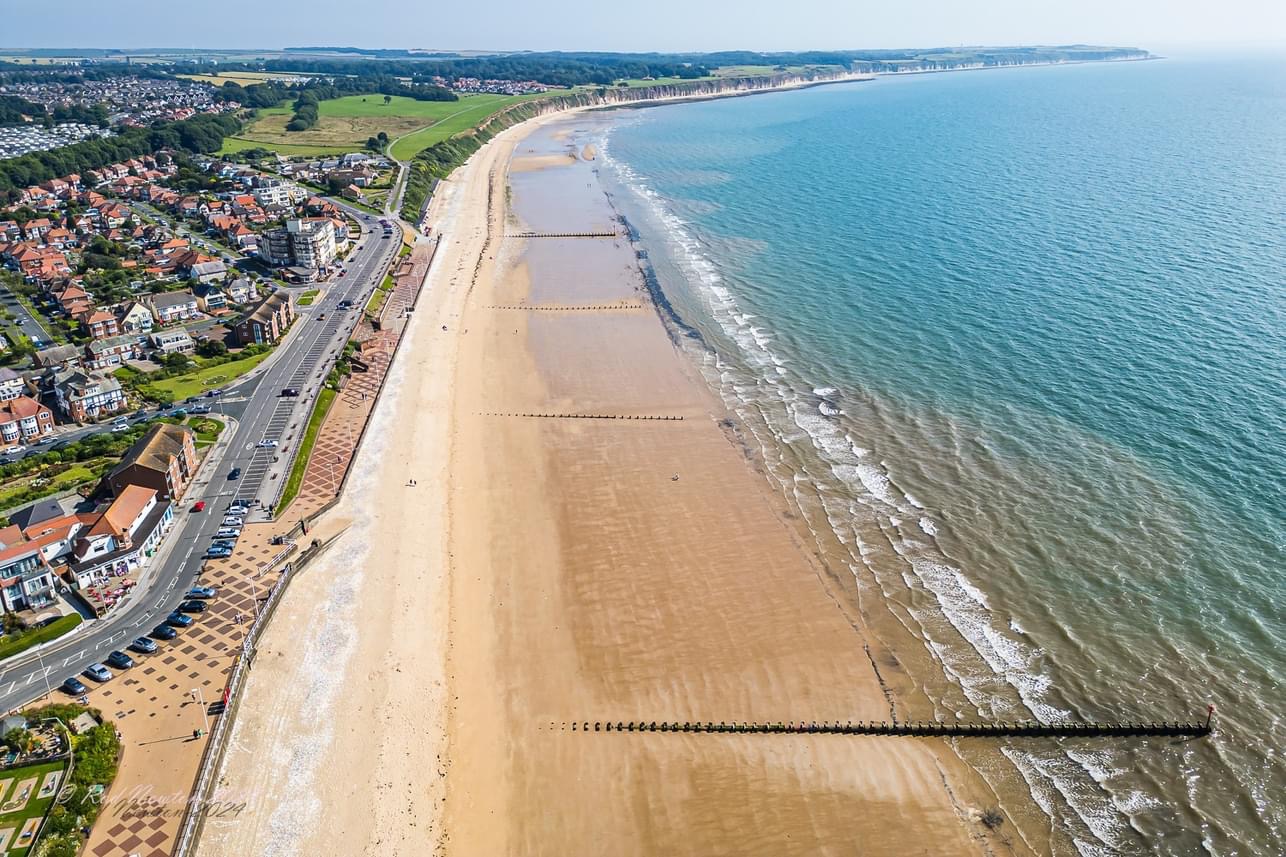
Bridlington North Beach is an area where Weever Fish have previously been reported. Photo: Echo Media Group. 


At Hornsea it has been reported there are Weever fish in the near to ten shoreline with ERYC’s Coastal Services team placing additional notices along Hornsea Promenade, warning beach-goers about the dangers of Weever fish when walking barefoot on the beach.

For further info https://orlo.uk/ggMpq

http://threebspubbrid.co.uk

To avoid the risk of being stung it is advisable to wear beach/jelly shoes when paddling. 


The NHS advice says that Weever fish stings are best treated with as hot water that the affected person can handle for at least 30 minutes, or use hot flannels or towels. 

It is also advised if the spine is stuck in your foot that you pull it out with tweezers or the edge of a bank card – but do not touch the spine with bare hands. 

Share this:

  • Share on X (Opens in new window) X
  • More
  • Share on Facebook (Opens in new window) Facebook

Like this:

Like Loading…
Tags: appeal.beachBridlingtonBritainBritishcoastguardcommunityEast RidingeducationfamilyfishFlamboroughhelpholidayincidentNorth SearesortseaseasidetourismtraditionalvisitorswarningweeverYorkshire
Bridlington Echo

© 2022 Bridlington Echo

Navigate Site

  • Home
  • News
  • Announcements
  • Public Notices
  • Lifestyle
  • Sport
  • Business Directory
  • Contact us
  • Complaints
  • Privacy Policy

Follow Us

No Result
View All Result
  • Home
  • News
  • Family Announcements
  • Features
  • Public Notices
  • Sport
  • Announcements
  • Business Directory

© 2022 Bridlington Echo

Loading Comments...
%d