


The stunning sights of the northern lights are expected to grace parts of the East Coast once again this Sunday, following a rare display that captivated observers across the area overnight on Friday 10th May.
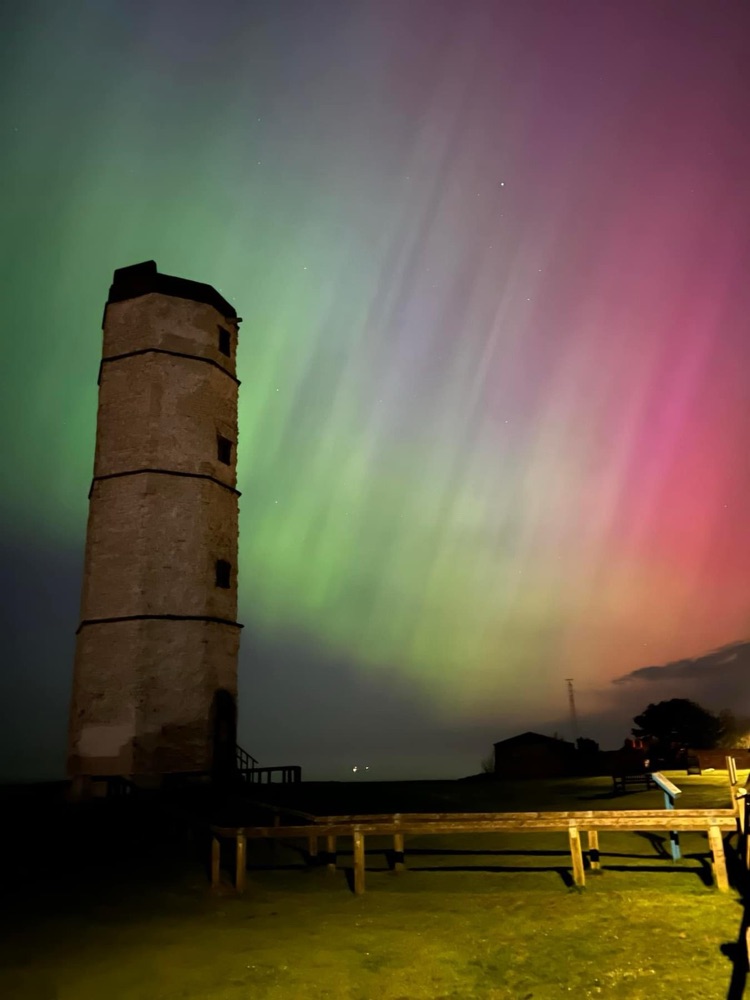
An intense geomagnetic storm, classified as “extreme,” illuminated the skies on Friday evening, showcasing the mesmerising aurora borealis to the delight of locals and visitors to the East Yorkshire coast.
For those hoping to catch a glimpse of this natural spectacle, the key is to venture away from urban areas with bright lights that can obstruct visibility.

It’s advised to seek out dark, secluded spots for the best viewing experience.
This time of year, due to the shorter nights, the optimal viewing window is expected to be from around 10:30 pm onwards when full darkness sets in.
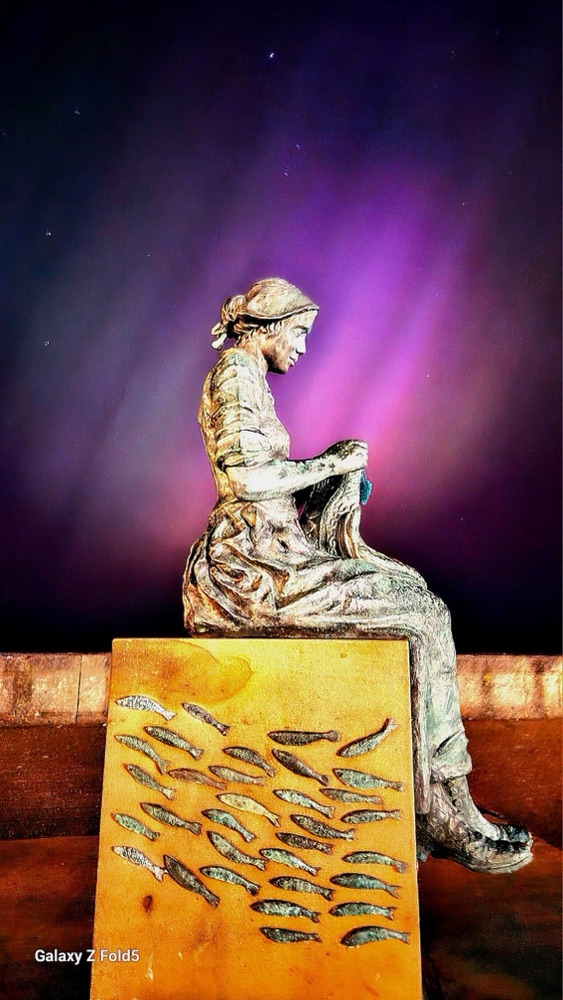
Aurora displays occur when charged particles collide with gases in the Earth’s atmosphere near the magnetic poles, creating a stunning light show.
In the northern hemisphere, this phenomenon typically occurs within the aurora oval, spanning latitudes between 60 and 75 degrees. During periods of heightened activity, the display can extend further, offering occasional sightings to lucky viewers.

AuroraWatch UK recently issued a yellow alert, indicating a chance of visible auroras with the naked eye in select areas and more widespread visibility with camera equipment.
This weekend’s display of the Northern Lights was prompted by a rare severe geomagnetic storm warning issued by the Met Office, the first of its kind in nearly two decades.

The recent G5 geomagnetic storm, classified as “extreme” by the US National Oceanic and Atmospheric Administration, was triggered by a substantial sunspot cluster that was 17 times the size of Earth. This marks the first G5 storm to hit Earth in over 20 years since the notable event in October 2003, which resulted in power disruptions in Sweden.

Every 11 years, the sun experiences a polarity reversal that leads to increased solar activity, culminating in stunning displays of the northern lights.
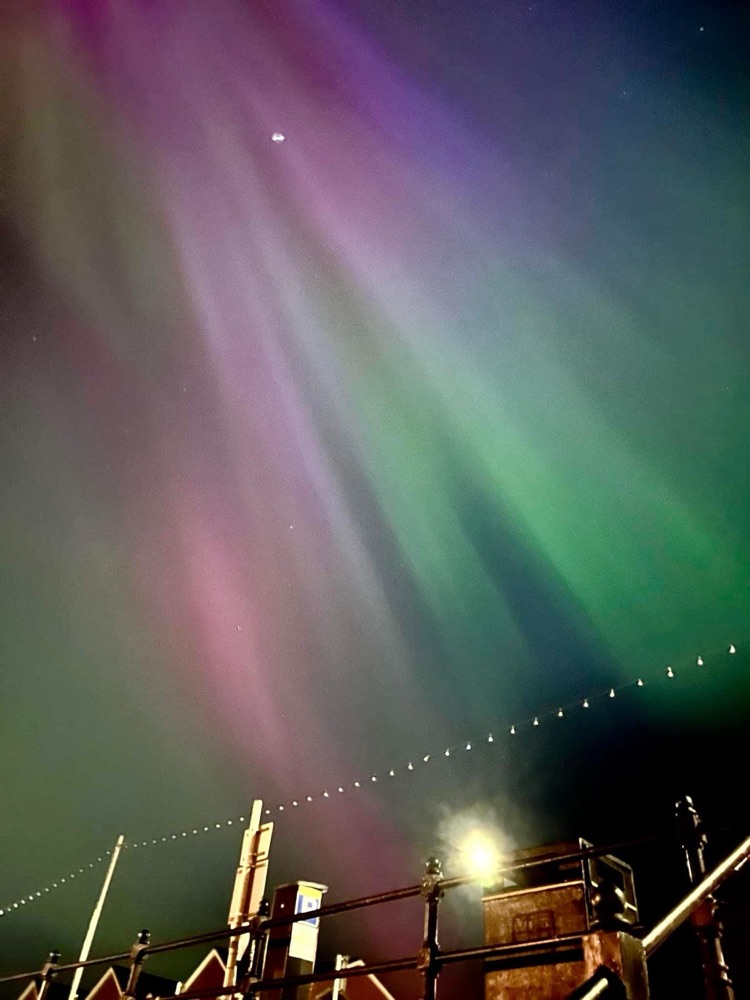
Scientists anticipate the next solar maximum to occur towards the end of 2024, offering more opportunities to witness this awe-inspiring natural phenomenon around the East of Yorkshire.


