


Mysterious decline in Seagull populations…
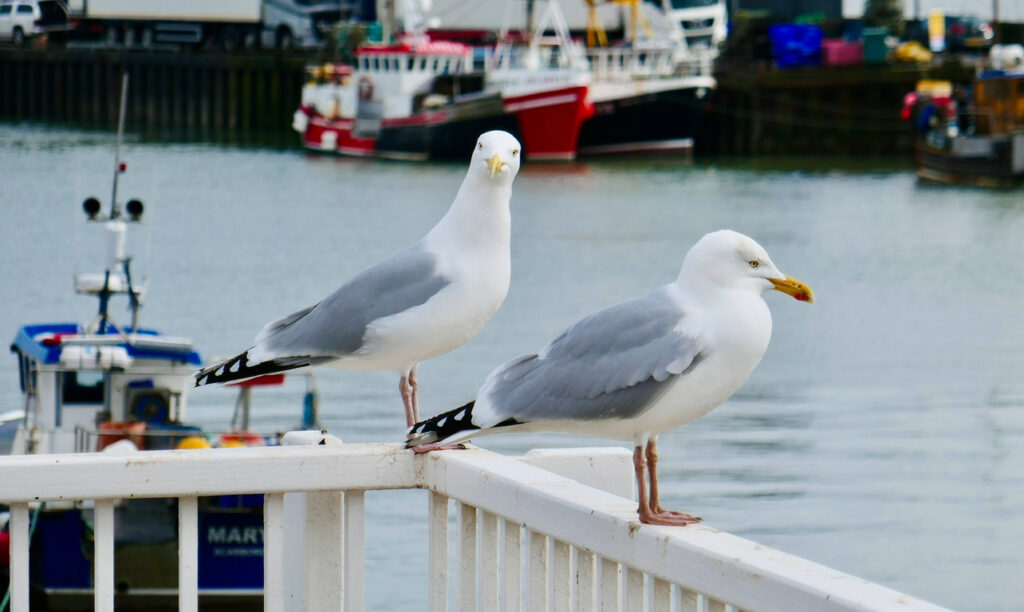
Seagulls – the much-maligned residents of Bridlington and other coastal towns – are facing a crisis as their populations show a significant decline – with breeding numbers plummeting in recent years.

As the scourge of seaside picnickers and the symbol of traditional British holidays, seagulls have long been a fixture of Bridlington holiday experience.
However, according to a recent article in the BBC Countryfile magazine, all six commonly occurring gull species in the UK are now listed in the Amber or Red List for Birds of Conservation Concern, a worrying trend that has raised alarms among ornithologists and environmentalists.

The article says:
Researchers from the British Trust for Ornithology (BTO) are leading efforts to understand the causes behind this decline.
Factors such as habitat degradation, predation, food scarcity, and the spread of avian influenza are believed to be contributing to the dwindling numbers of the seabirds.

In response to the urgent need for data on gull populations, the BTO has launched the Winter Gull Survey (WinGS), a nationwide initiative calling on volunteers and birdwatchers to help monitor and track gull populations across the UK.
One of the key challenges facing conservationists is the lack of data on autumn breeding populations of gulls.

The WinGS project aims to bridge this knowledge gap by enlisting the help of volunteers to count and document gull populations during the autumn season.
By identifying roost sites, recording bird numbers, and focusing on six regularly occurring gull species, volunteers can play a crucial role in supporting the conservation efforts for these charismatic seabirds.
Dawn Balmer, BTO Head of Surveys, emphasised the importance of understanding the gathering patterns of gulls in the autumn and winter months, stating that the information collected through these surveys will be instrumental in filling critical gaps in our knowledge of gull populations.
Emma Caulfield, the Survey Organiser for WinGS, echoed this sentiment, urging interested individuals to participate in the survey and contribute to the conservation of gulls.

For those eager to lend a helping hand and make a difference in the protection of seagulls, more information on the WinGS survey, available survey sites, and how to get involved can be found at bto.org/wings.
By helping the BTO and fellow bird enthusiasts, volunteers can make a meaningful impact.
